Good Fences, Good Neighbors, and Faithful Churches
By Abbot-Bishop Brian Ernest Brown, CWC
Pope Leo XIV’s recent decision concerning bishops connected with the Society of St. Pius X is not merely a Roman Catholic controversy. It is a problem many churches and organizations know all too well.
The issue, as I understand it, was not simply that these bishops were conservative, traditionalist, or liturgically particular. There are faithful conservative Roman Catholics who remain within the canonical order of their church. The issue was that bishops were consecrated without papal approval, in direct defiance of the Roman Catholic Church’s own canonical structure. In other words, this was not just disagreement. It was an act taken outside the agreed order of the body to which they claimed to belong. That is the part I understand deeply.
It has always amazed me when people willingly join an organization, knowing full well what that organization teaches, how it governs itself, what rules it follows, and what promises membership requires, only later to treat those same commitments as obstacles to be ignored. They benefit from the name, the history, the trust, the relationships, the authority, and the legitimacy of the body. Then, when the canons, constitution, vows, bylaws, or theology no longer serve their preferred outcome, they suddenly behave as though those commitments were optional all along.
That is not reform, courage, or prophetic witness. It is something else entirely: the misuse of a community’s trust while pretending to serve its future. It is disingenuous behavior. At its worst, it becomes a kind of spiritual usury: drawing from the good faith of a community, standing under its shelter, using its credibility, wearing its name, and then discarding its obligations once they become inconvenient.
Let me be clear. I support those who feel called to go their own way. If a person, group, cleric, parish, or community believes they are called elsewhere, then they should follow that call with honesty and courage. Sometimes people outgrow a structure. Sometimes conscience leads them in a different direction. Sometimes a community no longer fits the work they believe God has placed before them. That happens. It is part of life. It is part of the Church’s long and complicated story. But there is a right way to leave. Go with honesty. Go with prayer. Go with clean hands. Go without trying to burn down the house that sheltered you.
What people must not do is use others to chase validity, borrow legitimacy from a community, and then attempt to destroy the very organization they used to gain standing. If you need to leave, leave. If you need to build something new, build it. If you believe God is calling you into another expression of faith and ministry, then be true to that calling as you understand it. But do not pretend that departure gives you the right to claim what you have abandoned.
Rome does not have a corner on this market. This happens in churches, religious communities, nonprofits, businesses, civic organizations, and families. Anywhere human beings gather around shared identity and shared purpose, there is always the danger that someone will mistake temporary authority for ownership. There is always the temptation to say, “I know what we agreed to, but I have a higher plan.” There is always the danger of confusing one’s own agenda with the will of God.
This same pattern is not foreign to Christ Catholic Church, nor is it rare in the wider Independent Sacramental Movement. It has happened more than once. People accept the shelter, history, succession, name, trust, and canonical structure of a church, only later to treat those same structures as disposable when they no longer serve a desired outcome.
This is not about being rigid rule-followers or mistaking paperwork for the Gospel. God forbid. Canons, constitutions, and shared rules are not meant to become idols. They are meant to create clarity, protect relationships, define responsibilities, and keep the peace.
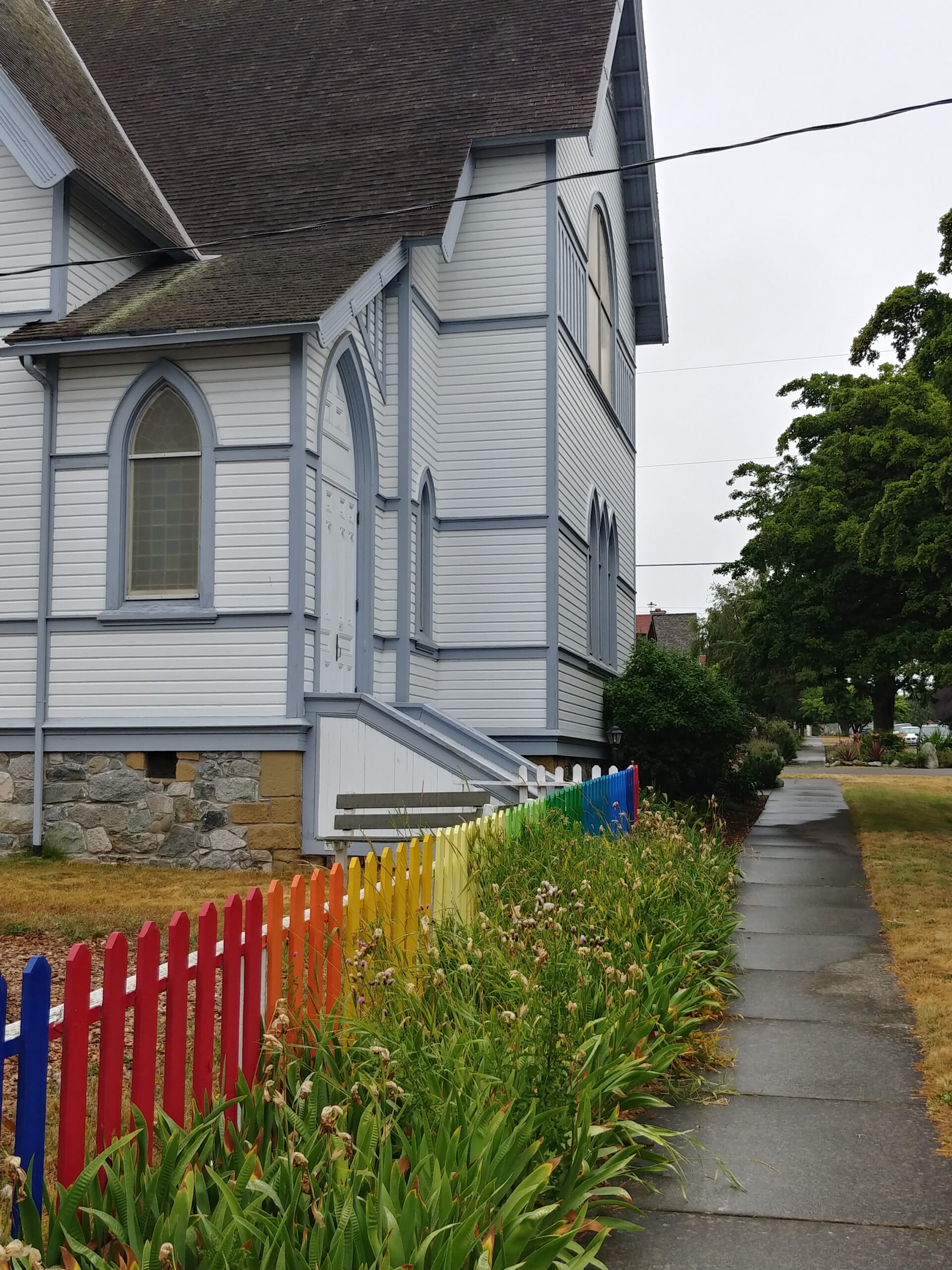
In that sense, they serve the same purpose as the old saying: good fences make good neighbors. A good fence is not an act of hostility. It is an act of honesty. It tells each neighbor where the garden begins, where the pasture ends, and how both may live beside one another without confusion or trespass. In the same way, good canons help communities know who they are, how they walk together, how authority is held, and how conflict is handled when human weakness inevitably appears.
Without those good fences, the field becomes muddy. Authority becomes unclear. History gets claimed without accountability. The faithful are left wondering who has the right to speak, act, bless, govern, or lead in the name of the church. People are wounded not only by conflict itself, but by the confusion that follows when no one knows where the boundaries are anymore. That is not freedom. That is confusion dressed up as liberty.
A constitution is not just paperwork. At its best, it is a covenant of trust. It tells the members, clergy, leaders, and faithful: this is who we are, this is how we walk together, this is how authority is exercised, this is how conflict is handled, and this is how no single person gets to carry the church away in his pocket.
That is why the Roman situation caught my attention. Again, the issue is not conservatism. The issue is not tradition. Tradition can be beautiful, holy, and life-giving. The issue is not conscience either, because conscience matters deeply. But conscience does not erase consequence. If a person’s conscience requires departure, then let that departure be honest. What one cannot do is claim the authority of a church while refusing the lawful order of that same church.
The Independent Sacramental Movement knows this pain all too well. We have seen jurisdictions divided, names duplicated, histories rewritten, lines of succession weaponized, and clergy used as stepping stones for someone else’s ambition. We have seen people come into small churches and sacramental communities seeking validity, recognition, ordination, episcopal standing, or institutional cover, only to discard the community once it no longer serves their design.
That is not catholicity, apostolic faith, or communion. It is spiritual consumerism dressed in vestments, and it hurts people. It confuses the faithful. It breaks trust. It turns the church into a battlefield where the wounded are expected to dodge the shrapnel of clerical ambition. It leaves good people grieving not only what happened, but wondering whether what they loved was ever real. That is where our response must be different.
It is not enough to be canonically correct. We must also be pastorally faithful. Those who have been wounded need more than explanations. They need prayer. They need listening. They need comfort. They need assurance. They need room to process their grief and anger without being rushed into institutional housekeeping.
The canons may clarify what must be done, but only love can heal what has been broken. Still, love does not require fog. Mercy does not require confusion. Forgiveness does not require pretending that nothing happened. There are times when a church must say clearly: this is who we are, this is what was promised, this is what was violated, and this is how we move forward. Not with vengeance, cruelty, or triumphalism, but with sober conviction, clean hands, and a steady heart.
Perhaps that is the deeper lesson in all of this. Institutions fail when people treat shared promises as disposable. Churches suffer when leaders confuse stewardship with possession. Communities are wounded when authority becomes a tool for personal design rather than a ministry of service.
Christ Catholic Church has carried a particular legacy. It is not perfect. No church is. But it has a history, a charism, a sacramental inheritance, and a responsibility that should not be casually disregarded for the sake of convenience. If that cross is to be carried again, it must be carried with humility, clarity, courage, and care for the wounded.
Canons alone will not save a church but a church that treats its canons as meaningless has already begun to lose its soul.
The path forward must hold both together: fidelity to the covenant and tenderness toward the wounded. The work before us is not merely to reclaim a name or preserve an institution. The work is to restore trust, tell the truth, honor the promises once made, and carry the cross without using it as a club.
Those who must leave should leave in peace, and those who must build elsewhere should build with integrity. Those who remain must tend the wounded, repair the fences, and keep faith with the promises entrusted to them. That is the difference between power and faithfulness, and it makes all the difference in the world.